
BitMEX co-founder Arthur Hayes transferred $2. 5 million worth of Ethereum and ecosystem tokens to institutional market makers including Flowdesk, FalconX, and Wintermute. Blockchain analyst EmberCN reported the moves and questioned whether Hayes is selling assets to add to his Zcash.
Month: November 2025

When “Star Trek” legend William Shatner and America’s favorite astrophysicist Neil deGrasse Tyson share the stage, sparks can fly on an astronomical level. They talk with Luke Burbank about their bromance built on an appreciation of science; the two-man show (“The Universe Is Absurd!”) that grew out of a trip to the South Pole; and how curiosity about the cosmos can help keep one young.
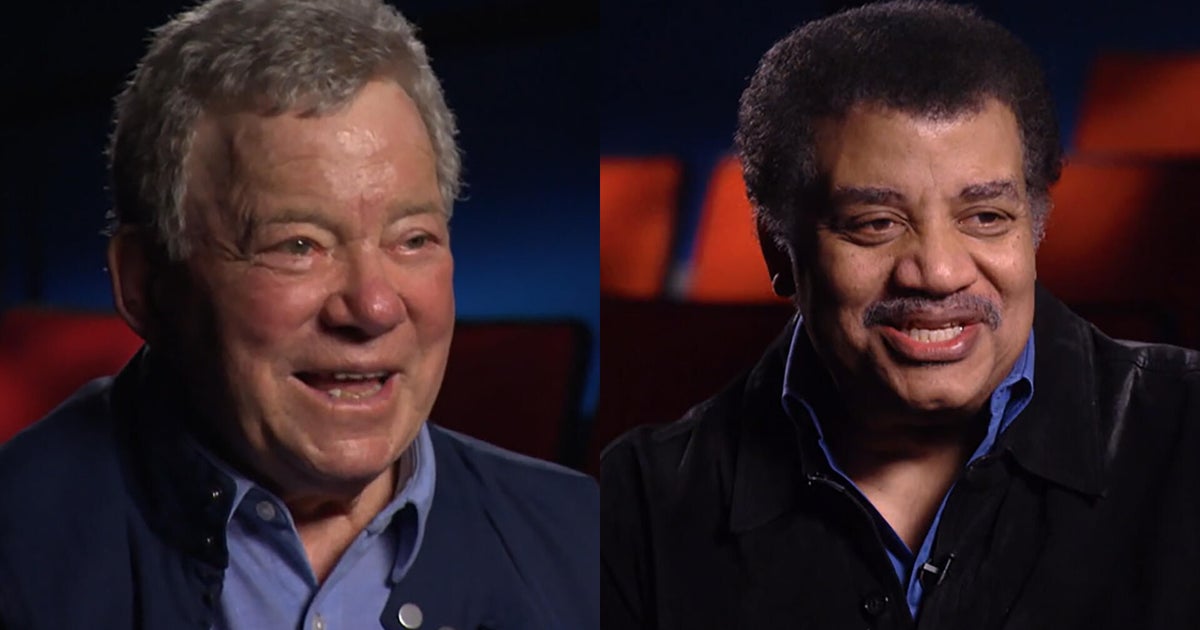
In this web exclusive, “Star Trek” legend William Shatner and Hayden Planetarium director Neil deGrasse Tyson talk with Luke Burbank about teaming up for a stage show, “The Universe Is Absurd!” in which they discuss the wonders of science.
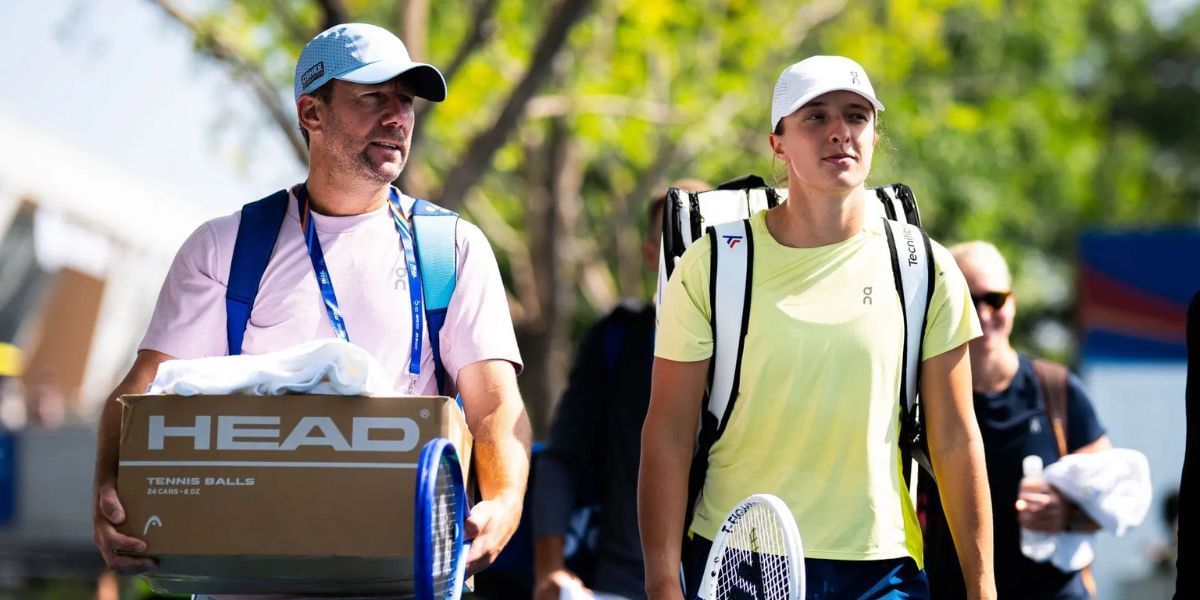
Iga Swiatek witnessed a disappointing end to her 2025 season as she failed to reach the semifinals of the WTA Finals.
There may be a penny shortage, but that doesn’t necessarily mean your one-cent coins are super valuable.
The post Pepe’s Madness, Hyperliquid’s Speed, & Ethereum Classic’s Code Meet Their Match in BlockDAG’s $435M+ Presale appeared com. Crypto Presales Compare BlockDAG, Hyperliquid, Pepe, and Ethereum Classic as the best crypto projects disrupting markets with speed, community power, and conviction-driven blockchain principles The world of digital currency is currently a chaos of noise and staggering wealth. Yet, a few projects manage to break through, demanding attention with verifiable activity, surging community power, or immense funding. This report dives into the four best crypto projects that are sparking debate across the market. These projects span the extreme range of the digital economy. They include BlockDAG, Pepe, Hyperliquid and Ethereum Classic. Each project presents a completely different thesis. The objective here is not to forecast future outcomes. Instead, we dissect the core factors that force these coins into every serious conversation about the best crypto projects right now. 1. BlockDAG: The New Challenger to Legacy Networks BlockDAG (BDAG) has become a symbol of massive market confidence before even hitting public exchanges. The project’s launch success is undeniable. It has already raised $435 million+ and attracted over 312, 000 holders. BlockDAG uses a hybrid model. It takes Bitcoin’s Proof-of-Work for security and merges it with a Directed Acyclic Graph (DAG) system for speed. This architecture promises blazing speeds, aiming for 2, 000 to 15, 000 transactions per second (TPS). This is not just a whitepaper fantasy; the Awakening Testnet is running. It currently processes over 1, 400+ TPS and fully supports applications built for Ethereum. The participation is visible and real. The X-Series miners, which generate between 200 to 2, 000 BDAG coins daily, are already deployed globally. Over 20, 000 mining units have been sold. This shows tangible adoption beyond mere passive holding. The leadership team, which includes experts like CEO Antony Turner and advisor Dr. Maurice Herlihy, adds institutional weight. The presale is ending fast. Coins are currently at $0. 005 in Batch 32. With 4. 2.

Merchant ships are caught between the devil and the deep blue sea. The post Tehran Admits Seizing Merchant Ship in Strait of Hormuz, Rerouting Marshall Islands-Flagged Oil Tanker To Iranian Territorial Waters appeared first on The Gateway Pundit.
When New York passed its utopian Climate Leadership and Community Protection Act back in 2019, it set mandatory targets for reductions in greenhouse gas emissions from the state’s energy consumption. But none of the mandates were scheduled to take effect prior to 2030. The earliest mandates were: 70% of electricity from “renewables” by 2030, and 40% overall reduction in GHG emissions by the same year. (Still more ambitious mandates were also set for 2040, followed by a “net zero” mandate for 2050.). These dates all seemed so terribly far away plenty of time for somebody to invent some new.
This week, Dr. Alex Karp, the CEO of software giant Palantir received the Herman Kahn Award at the Hudson Institute’s annual gala.

Klarna And Affirm: The Best Of Times, The Worst Of Times, And Quarterly Performance